
Vehicle guide · 4×4
Professional LED lighting for the Toyota Land Cruiser.
The Toyota Land Cruiser family (70, 150 Prado, 200, the new 250 and 300 series) has a reputation for reliability under abuse that's unmatched in the category. Its electrical system reflects that philosophy — over-engineered fuse box capacity, generous alternator output, and rugged harness routing that tolerates aftermarket additions without complaint.
Laatst bijgewerkt 24 april 2026
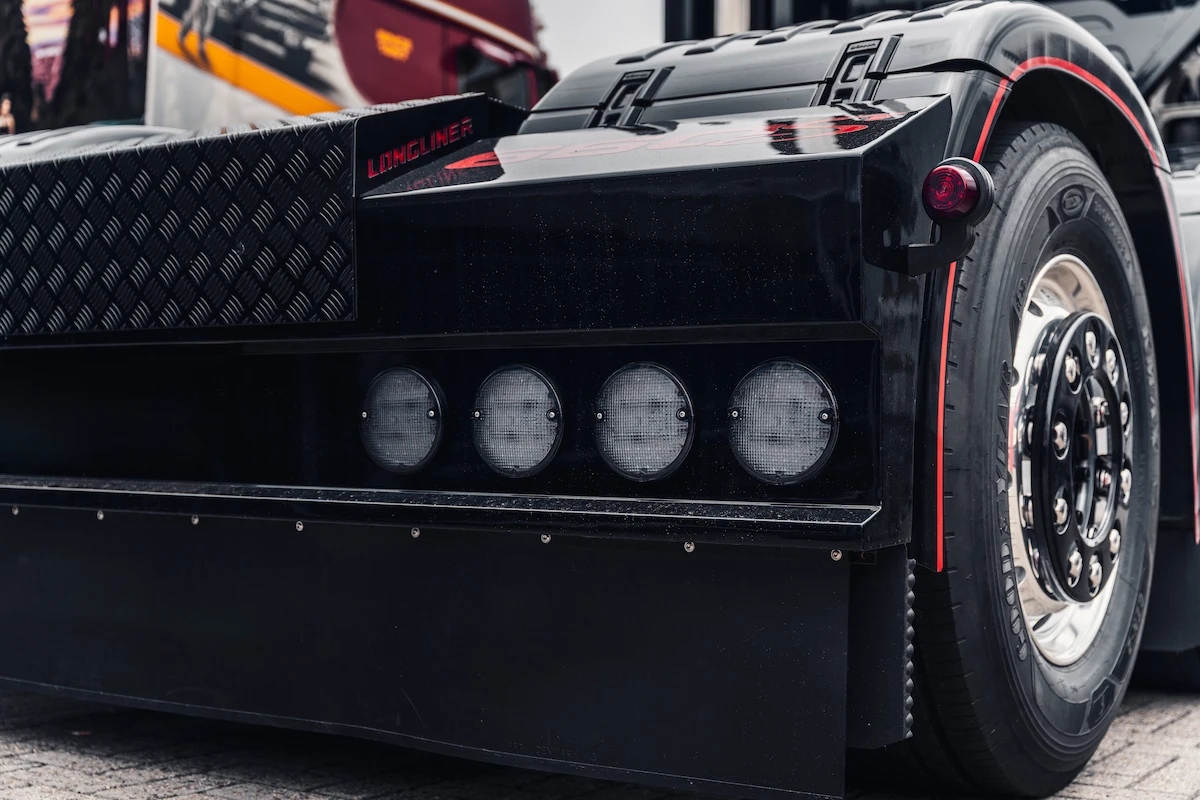
The range — 70, Prado, 200, 250, 300
The **Land Cruiser 70** series is the utilitarian farmer/bushcraft/expedition workhorse. Still in production since 1984 with iterative updates. Simple 12V electrical system, mechanical handbrake, minimal CAN interference. The cleanest 4×4 to install aftermarket lighting on.
The **Prado** (J150, 2009–2024) is the mid-size SUV sibling. More electronics than the 70, fewer than the 200. Common expedition-build base in Europe and the Middle East.
The **200** series (2008–2021) is the luxury full-size variant. Significantly more electronic complexity; CAN-bus monitoring of most lamps. Retrofit LED front-lamp replacements need CAN-matching.
The **250** series (2024+) is the Prado's modern replacement, GA-F platform, more hybrid tech. Aftermarket compatibility still being characterised as of 2025.
The **300** series (2021+) is the current flagship — complex electronic architecture, aftermarket installs require similar care to a modern Defender.
The 70-series as a retrofit template
Land Cruiser 70s have the simplest electrical architecture of any current-production 4×4. The factory auxiliary fuse panel sits in the engine bay with two free 10A positions and two 20A positions, all switched from the ignition. The positive feed for aftermarket wiring is a bolt terminal on the main battery positive — no modification needed.
For a 4-lamp install (bar + twin driving + work-light): take four positive feeds from the auxiliary panel, route to a waterproof in-line fuse close to each lamp, ground to the chassis stud by the passenger footwell. No body-control-module drama, no CAN warnings, no "lamp fault" messages.
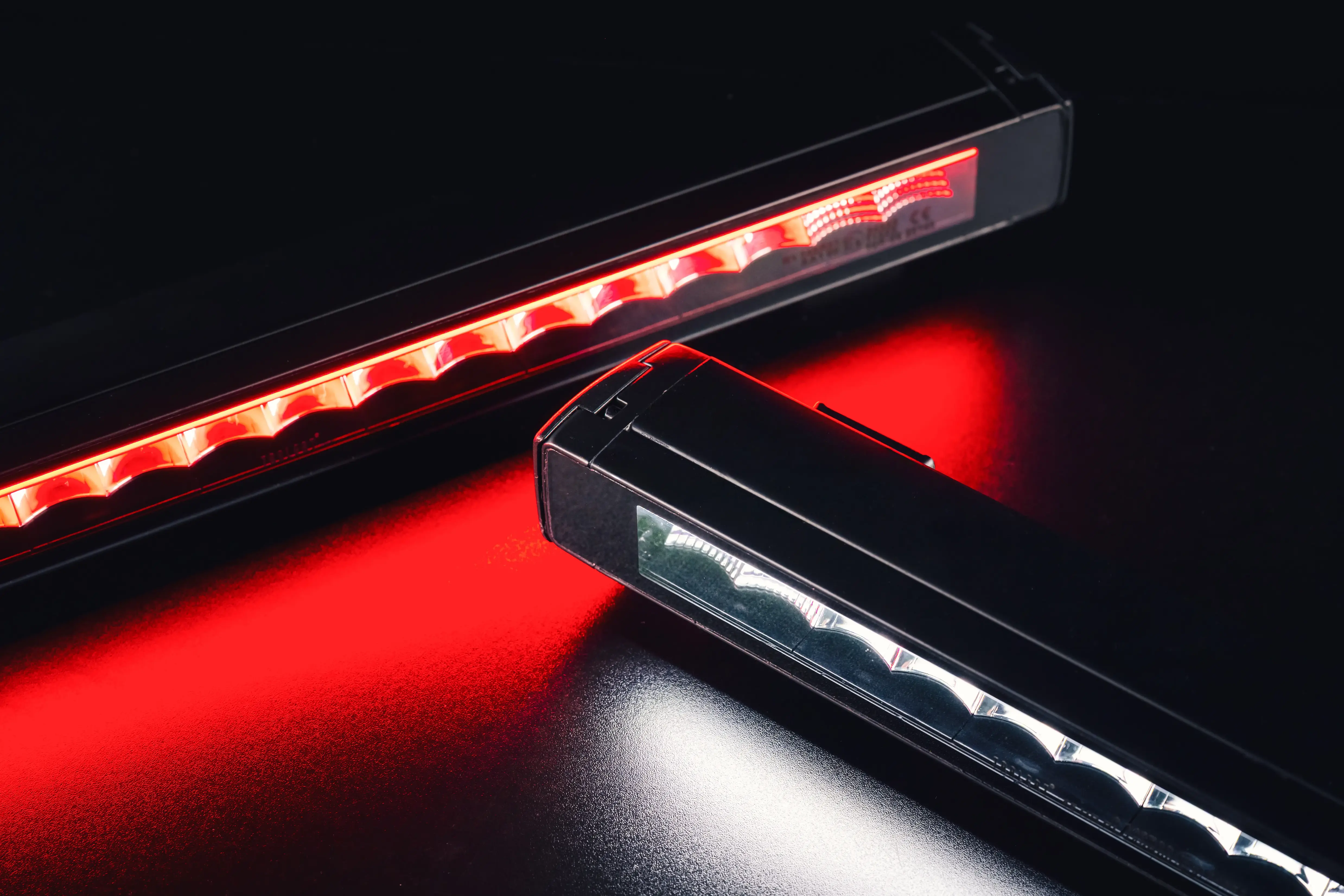
Mounting points and bull-bar options
European-spec Land Cruisers come with chassis-mount points for Type-approved bull bars (ECE R42 pedestrian-impact compliant). Not all aftermarket bars carry the approval; check before ordering.
For the 200 and 300 series, bull-bar mounting points on the chassis are further back than on the 70 series — a 20" light bar mounted to the bar sits high relative to the cab. Twin 7" round driving lamps mounted on the bar look more proportionate than a single wide bar.
Roof-rack mounting is universally easy: every Land Cruiser has factory gutter rails on the doors that accept clamp-on rack mounts. A 42" bar across the top of the rack is standard expedition fit.
The expedition-vehicle use case
Land Cruisers are overrepresented in multi-month expedition convoys — Cape Town to Cairo, Dakar to Mongolia, the Pan American. These installs are different from a weekend off-road build: redundancy matters more than brightness, serviceability matters more than looks.
Expedition lighting philosophy:
- Twin light bars in parallel, wired on separate fuses — if one fails, the other runs - LED driving lamps with replaceable optics (OZZ SQR design) — a broken lens in rural Tanzania shouldn't strand a vehicle - Sealed Deutsch DT connectors everywhere — SuperSeal is vulnerable in dust storms - All spare pigtails, connectors, and a full spare lamp of each class, stored in the vehicle
Our most frequently-requested expedition kit: twin Stratos 989 mm bars, four OZZ SQR 7" lamps, spare Deutsch DT-4 pairs, and a printed wiring diagram laminated into the vehicle's workshop pack.
An expedition doesn't fail because the lights are too dim. It fails because the one spare lamp was the wrong pin-out.